In our digital society, coding has become as vital as reading, writing, and math. Learning to code is not just for future software engineers. It gives every child powerful tools for structured thinking and creative problem-solving.
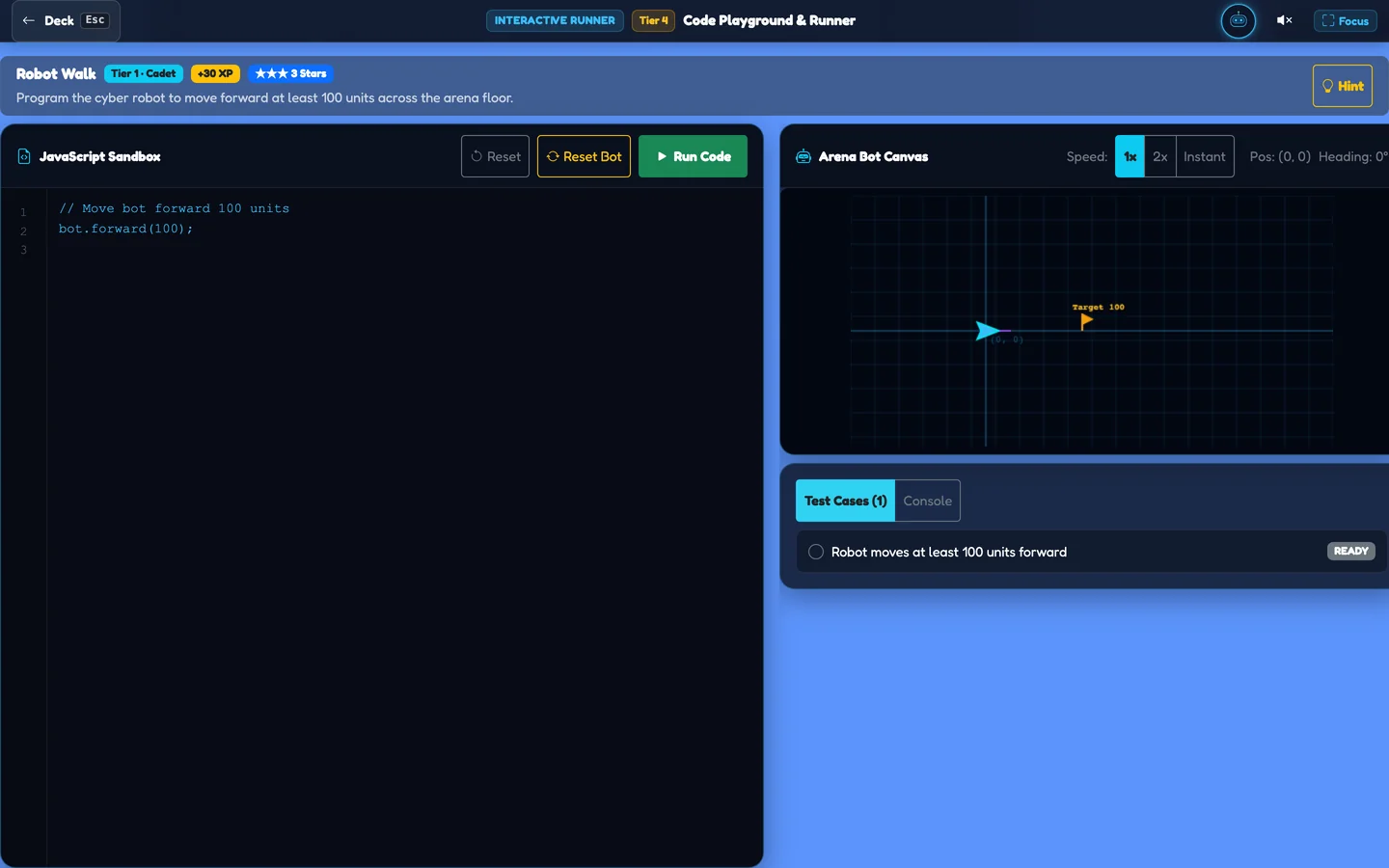
Beyond the Screen: The Benefits of Coding
When children write code, they learn how to break complex problems into small, logical steps. This mindset is called computational thinking.
"Coding is the language of the future, and every child deserves the opportunity to learn it."
Because of this training, young coders solve school challenges with calm persistence. They learn that every bug has a solution waiting to be discovered.
Key Skills Developed Through Coding:
- Logical Reasoning: Children understand cause and effect by watching how commands interact.
- Creative Expression: Kids design original games, interactive stories, and colorful animations.
- Resilience and Grit: Debugging teaches students to view errors as natural steps toward mastery.
Making Coding Accessible and Fun
Traditional text coding can intimidate young beginners. Modern block-based platforms solve this hurdle by turning syntax into colorful snap-together puzzle pieces.

For example, interactive training spaces like our Discover our 4 Academic Gyms turn loops and conditional logic into playful challenges. Children focus on creative problem-solving rather than missing semicolons.
Integrating Coding into Education
Coding works best when connected with other school subjects. In addition, students can Explore the Dada School Curriculum to see how programming unites with science, art, and storytelling.
Best of all, early coding shifts kids from passive media consumers into confident creators who shape technology for good.
