The modern world needs people who can solve open-ended, complex challenges. Creative problem solving goes far beyond finding a single memorized answer. It asks children to look at issues from fresh perspectives and invent practical solutions.
The Importance of Creativity
Traditional schooling often rewards rote repetition. However, real life rarely comes with an answer key. Today's learners need the courage to test unusual ideas and adapt when conditions change.
"Creativity is intelligence having fun. It's the engine that drives innovation and progress."
Because of this shift, hands-on learning transforms how kids see their own abilities. They view challenges as exciting puzzles rather than scary tests.
The Creative Problem-Solving Cycle:
- Define the Goal: Pinpoint the real issue before rushing into quick answers.
- Brainstorm Ideas: Generate many playful options without immediate judgment.
- Build a Prototype: Select the most promising concept and assemble a working model.
- Test and Refine: Learn from initial flaws and polish the final design.
Fostering Creativity in the Classroom
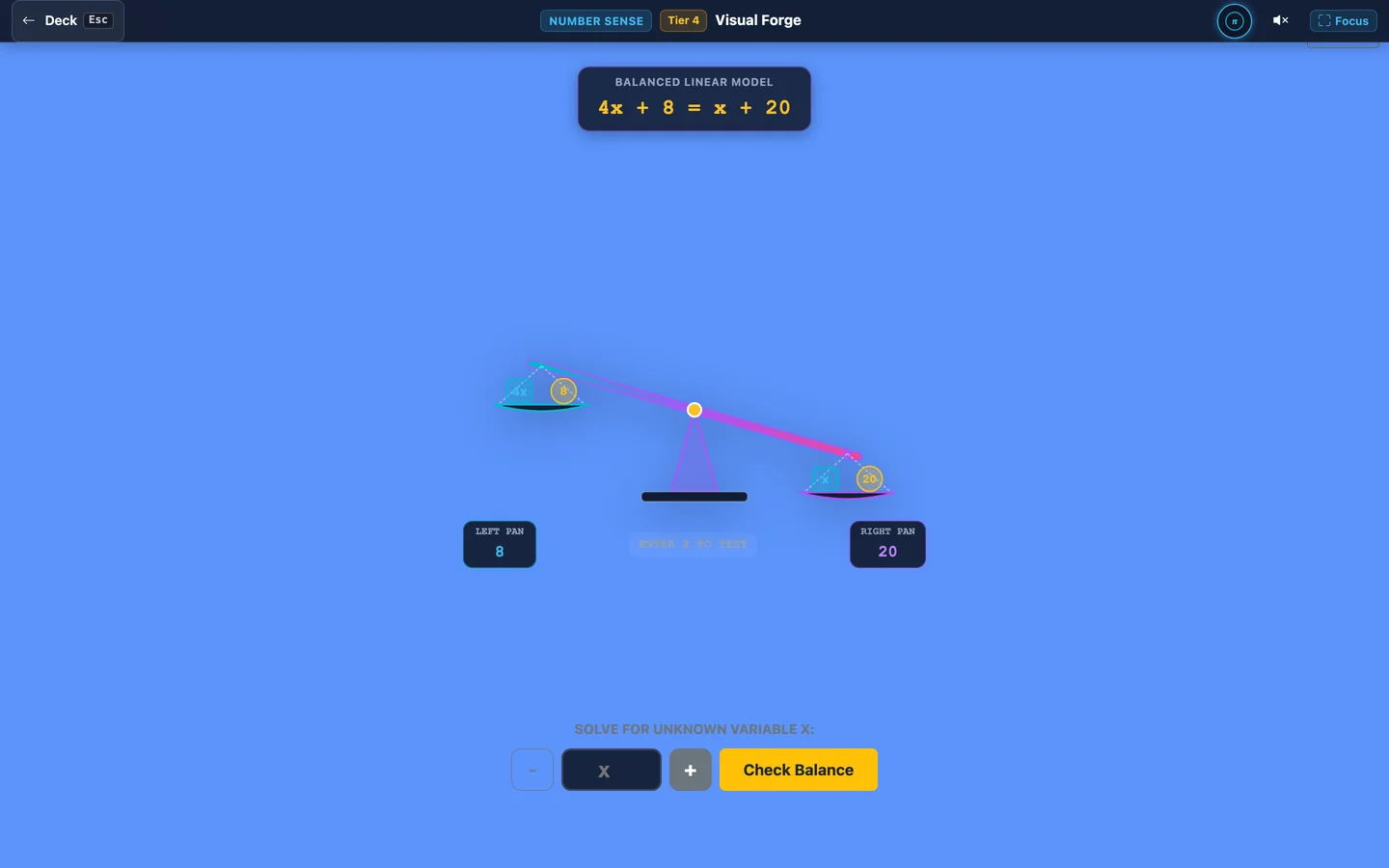
Project-based learning gives kids meaningful context for their studies. For example, interactive experiments in our Discover our 4 Academic Gyms let students test balance, weight, and structures in a safe virtual lab.
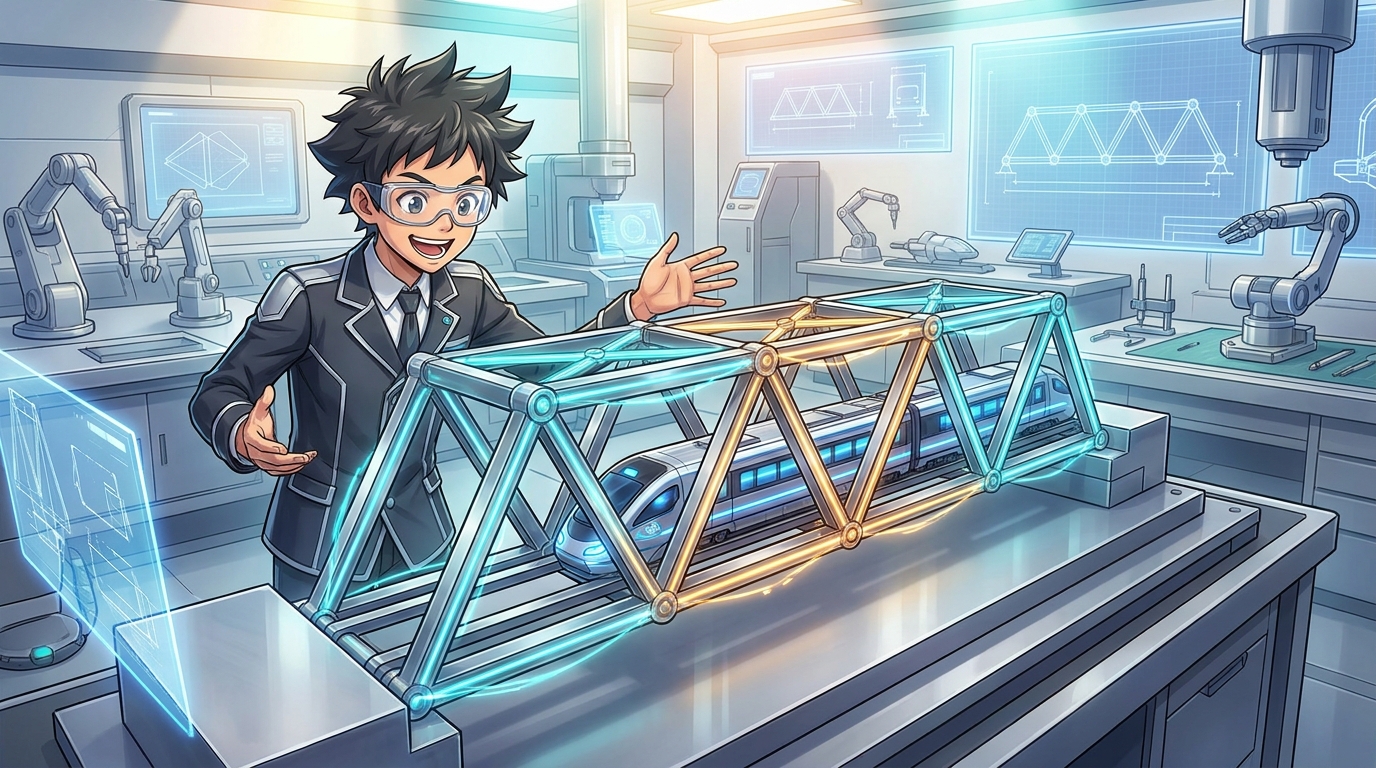
In addition, learners can Explore the Dada School Curriculum to tackle cross-disciplinary engineering and design missions.
Embracing Failure as Growth
Creative breakthroughs require students to embrace trial and error. When a bridge collapses in a physics simulation, it reveals valuable clues about load and balance.
Best of all, celebrating mistakes builds resilience. Children discover that every failed attempt brings them one step closer to an inventive solution.
